
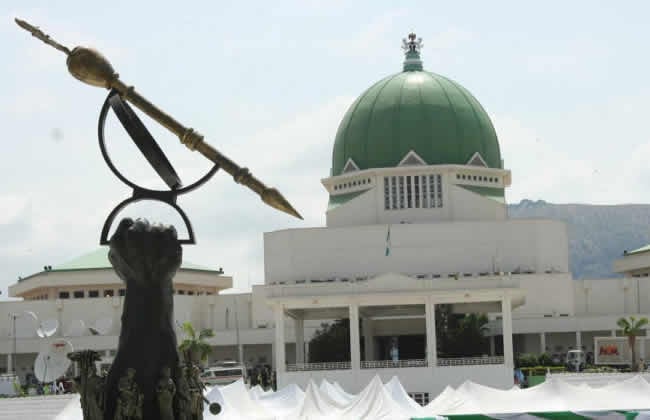
The National Assembly is considering a major shift in Nigeria’s electoral timetable, proposing that the next presidential and governorship elections be conducted in November 2026, rather than the traditional February or March of the election year.
This proposal is part of the ongoing amendments to the Electoral Act 2022, discussed on Monday during a one-day public hearing convened by the Joint Committee on Electoral Matters, chaired by Senator Simon Lalong (APC, Plateau South).
The move signals lawmakers’ determination to address long-standing concerns about Nigeria’s post-election legal process and transition timelines.
According to Section 4(7) of the proposed amendment, “Elections into the office of the President and Governor of a State shall be held not later than 185 days before the expiration of the term of office of the last holder of the office.”
This adjustment would automatically push the next round of presidential and gubernatorial elections to November 2026, given that the current administration’s tenure ends on May 29, 2027.
Similarly, under Section 4(5) of the draft legislation, elections into the National and State Assemblies would also be held “not later than 185 days before the date on which each of the Houses stands dissolved.” This ensures that all categories of elections follow a harmonized schedule well ahead of the handover date.
Lawmakers argue that the amendment is designed to provide ample time for the resolution of election disputes before the swearing-in of new office holders. The current electoral calendar, they noted, often leaves little room for the judicial process to run its full course, leading to protracted legal battles even after elected officials have assumed office.
Speaking at the hearing, the Chairman of the House Committee on Electoral Matters, Hon. Adebayo Balogun, explained that the adjustment would “strengthen Nigeria’s democracy by ensuring that the will of the people is settled in court, if necessary, before anyone takes office.”
He emphasized that early elections would not only promote electoral justice but also stabilize the transition process across all levels of government.
Observers say the proposed change, if passed, would mark a historic reform in Nigeria’s election calendar, aligning the country’s political transitions with best practices in other democracies and potentially reducing post-election tension and uncertainty.
“We are proposing that all election litigations be concluded before the swearing-in of declared winners,” Balogun said.
“To achieve this, we are recommending that the current 180 days allowed for tribunal judgments be reduced to 90 days, while appellate and Supreme Court decisions should each take no more than 60 days — all within 185 days before inauguration.”
Hon. Balogun further explained that the proposal would necessitate corresponding amendments to Sections 285 and 139 of the 1999 Constitution (as amended), to ensure that the new election timeline aligns seamlessly with constitutional provisions.
He emphasized that both legal frameworks must work in tandem to avoid conflicts and ensure smooth implementation.
At the public hearing, key stakeholders, including representatives of the Independent National Electoral Commission (INEC) led by Prof. Abdullahi Zuru, expressed support for the inclusion of electronic voting and electronic transmission of results. They argued that these measures would greatly enhance transparency and public confidence in the electoral process.
Under Section 60(5) of the proposed amendment, the law would make it mandatory for presiding officers to transmit election results both electronically and manually. Any officer who fails to comply with this requirement would face a penalty of one-year imprisonment, a N1 million fine, or both, signaling lawmakers’ intent to curb result manipulation and ensure accountability at polling units.
Another significant feature of the proposed amendment is the introduction of early voting. This provision allows specific categories of Nigerians — including security personnel, INEC staff, accredited journalists, election observers, and ad-hoc officials — to cast their ballots up to 14 days before the general election day, ensuring that their civic rights are protected despite their official duties during the polls.
Additionally, the joint committee’s draft document recommends removing election timelines from the Constitution and placing them instead in the Electoral Act. According to lawmakers, this reform would grant the National Assembly greater flexibility to adjust timelines when necessary, without the cumbersome process of constitutional amendment.
The document further notes that Section 28, now renumbered as Section 27(5–7), has been introduced to reflect this innovation and “unlock the constitutional restrictions on election timelines.” This adjustment is seen as a strategic move to modernize Nigeria’s electoral system and make it more adaptable to emerging realities.
Overall, stakeholders at the hearing welcomed the reforms, describing them as timely and forward-looking steps toward improving the credibility of Nigeria’s elections, strengthening institutional efficiency, and ensuring that post-election litigations are resolved well before new officeholders are sworn in.