
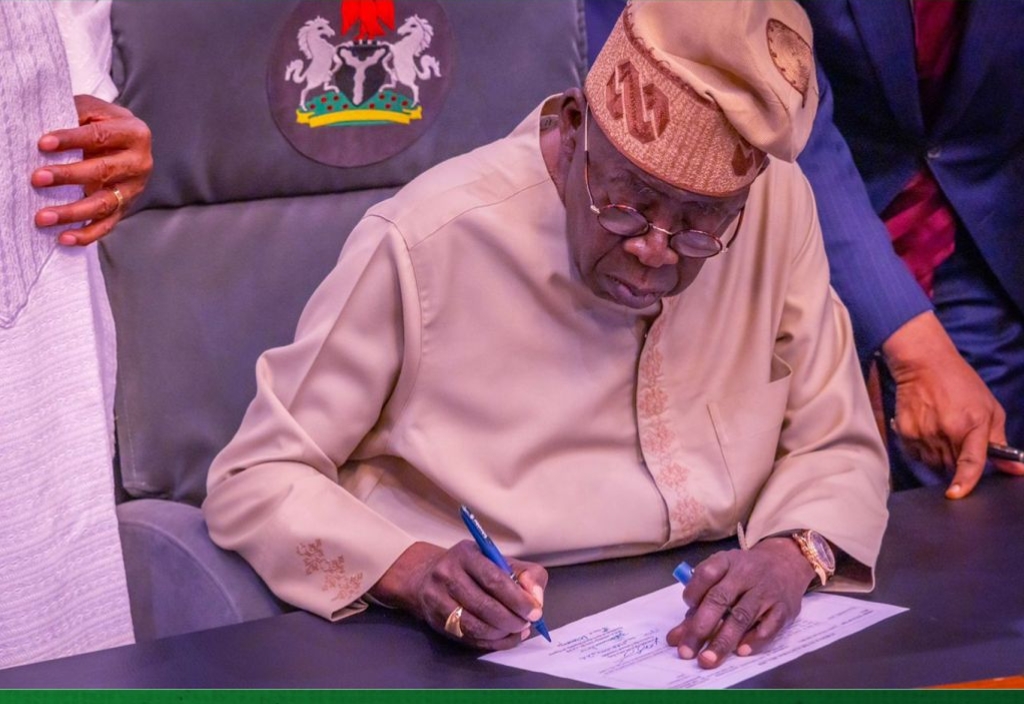
Tinubu Approves N3.3trn Rescue Plan to Revive Nigeria’s Power Sector
President Bola Tinubu has approved a sweeping N3.3 trillion payment plan aimed at clearing long-standing debts and stabilising Nigeria’s troubled electricity sector.
The initiative, announced by presidential spokesman Bayo Onanuga, forms part of the Presidential Power Sector Financial Reforms Programme. It follows a comprehensive audit of legacy debts that have plagued the industry for over a decade.
According to the presidency, the debts accrued between February 2015 and March 2025, have now been verified, with N3.3 trillion agreed as a full and final settlement. The move is expected to bring transparency and closure to lingering financial disputes across the power value chain.
Implementation is already underway, with 15 power generation companies signing settlement agreements worth N2.3 trillion. The Federal Government has so far raised N501 billion to fund the initiative, out of which N223 billion has already been disbursed, while additional payments are ongoing.
Officials say the intervention will directly impact electricity supply by improving liquidity in the sector. With power plants receiving payments, generation capacity is expected to stabilise, leading to more consistent electricity for households and businesses.
Speaking on the development, the Special Adviser on Energy, Olu Arowolo-Verheijen, emphasised that the programme goes beyond debt settlement. She noted that restoring financial confidence is key to ensuring gas suppliers are paid, power plants remain operational, and the entire system functions more efficiently.
She added that the reform package also includes improved metering and service-based tariffs designed to align electricity costs with the quality of supply received by consumers.
The government is also prioritising electricity access for industries, businesses, and small enterprises, recognising that reliable power is critical for job creation and economic growth.
President Tinubu commended stakeholders for their role in resolving the sector’s long-standing issues and confirmed that the next phase of the reform programme, Series II, will commence later this quarter.