
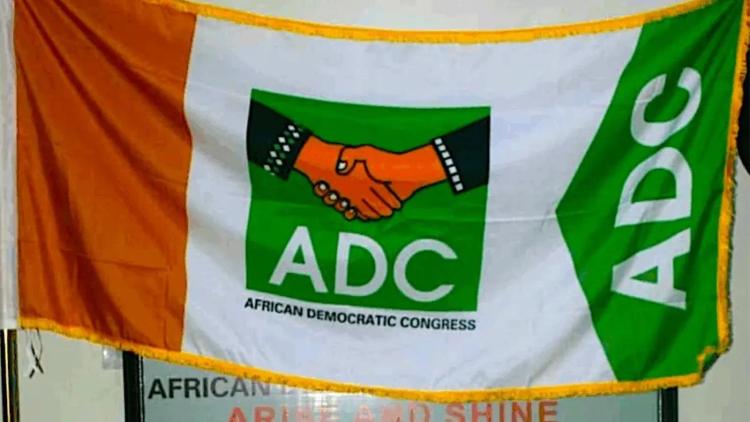
ADC Implodes: Courts, Chaos Stall Congresses Nationwide
The crisis tearing through the African Democratic Congress (ADC) has spiraled into a full-blown political storm, derailing its much-anticipated nationwide congresses and exposing deep cracks within the party’s fragile structure ahead of its national convention.
What should have been a routine internal democratic process has instead collapsed into a chaotic mix of court orders, factional showdowns, and administrative paralysis. Across multiple states, the party appears increasingly unable to keep its house in order at a moment that demands unity and direction.
In Adamawa, the drama took a legal twist as a High Court in Yola slammed the brakes on the planned congresses. Justice Ahmed Isa ordered an immediate halt following a dispute brought before the court, with proceedings now pushed to April 15—effectively freezing party operations in the state.
Katsina mirrored the turmoil, where Justice A. K. Tukur issued a sweeping injunction that shut down all ADC activities. The ruling stemmed from a suit filed by state chairman Usman Wamba against rival figures including Lawan Batagarawa and Babangida Ibrahim Mahuta, further deepening the factional trench lines.
Read Also:ADC Crisis Deepens As Bala Faction Storms INEC, Demands Status Quo
The court didn’t stop there, it barred the embattled figures from parading themselves as party leaders and extended the restriction to the party’s national leadership and INEC, prohibiting recognition of any congress conducted under disputed authority. It was a clear signal that the judiciary is stepping in to contain a party edging toward internal anarchy.
In Anambra, party leaders opted for damage control, announcing a total suspension of congress activities. Chairman Patrick Obianyo framed the move as a commitment to due process, urging members to remain calm while warning against recognising self-styled leaders. According to him, only the current executive structure retains legitimacy for now.
Ondo followed suit, with chairman Wole Ademoyegun confirming that all scheduled congresses, from ward to state level have been shelved. The move aligns with INEC’s directive to maintain the status quo, underscoring the electoral body’s growing role in stabilizing the situation.
Niger State also joined the wave of uncertainty, halting congresses across its 25 local government areas, while in Zamfara, confusion reigns supreme. State chairman Kabiru Garba openly admitted he was unaware of any preparations for the exercise, a startling revelation that highlights the breakdown of communication within party ranks.
Analysts say the unfolding mess is more than just a temporary setback, it points to deeper structural weaknesses and a leadership crisis that has been simmering beneath the surface. Once touted as a credible alternative in Nigeria’s crowded political space, the ADC now finds itself battling for coherence and relevance.
With courts, INEC, and rival factions all entangled in the saga, the stakes couldn’t be higher. Observers warn that failure to resolve the disputes quickly could erode public confidence, weaken grassroots support, and leave the party vulnerable heading into future elections.
As mid-April court dates loom and tensions remain unresolved, the ADC’s proposed national convention now hangs in the balance, threatened by the very divisions it was meant to heal.
For now, all eyes are fixed on whether the party can pull itself back from the brink or slide deeper into fragmentation. One thing is certain: the coming days will be decisive in shaping the ADC’s political survival story.