
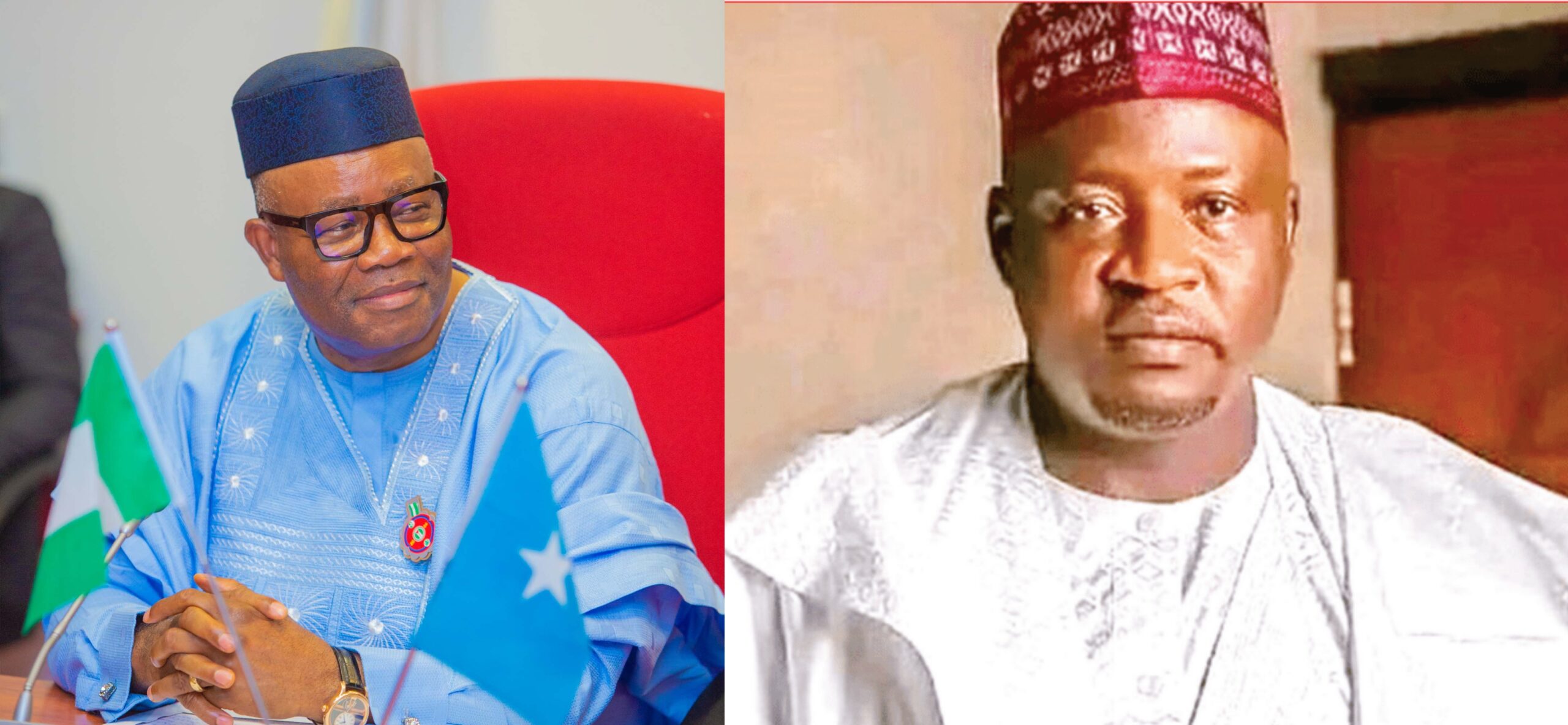
Why The Sumaila-akpabio Clash Matters To Every Nigerian: Loans Approved, Projects Abandoned, Questions Unanswered
By Tijjani Sarki
The reported confrontation between Senator Kawu Sumaila and the leadership of the Senate during a closed-door session on Tuesday, 2nd June 2026, deserves far more attention than the usual political drama it has generated.
For me, the significance of the episode lies not in the personalities involved, but in the uncomfortable questions that emerged from it.
According to reports, Senator Sumaila questioned why contractors across the country continue to abandon projects due to non-payment despite the National Assembly’s approval of substantial loan requests by the Federal Government. Whether one agrees with the senator or not, the concern he raised reflects a growing frustration among ordinary Nigerians.
I share that frustration.
For years, Nigerians have been told that borrowing is necessary to finance infrastructure, stimulate economic growth, and improve living conditions. Yet, across the country, many roads remain incomplete, public projects are stalled, and communities continue to wait for development that was promised but never delivered. Naturally, citizens are entitled to ask, if the loans have been approved and funds secured, where are the corresponding results?
That, in my view, is the central question.
What concerns me even more is the tendency in our politics to divert attention from serious issues once they become inconvenient. Rather than focusing on whether public funds are being effectively utilized, the conversation reportedly shifted to allegations of political favours, committee appointments, and contracts associated with the senator.
I remain sceptical of such diversions.
Whether Senator Sumaila benefited from political arrangements is a matter entirely separate from the concerns he raised. The validity of a question should not depend on the popularity or political history of the person asking it. If abandoned projects exist, they exist. If contractors are owed payments, they are owed payments. These facts cannot be erased by attacking the messenger.
Unfortunately, this pattern is not new. In our political environment, challenging the status quo often attracts scrutiny of motives rather than scrutiny of the issues raised. Questions are interpreted as acts of rebellion, criticism is viewed as disloyalty, and accountability is mistaken for opposition.
Yet accountability remains the lifeblood of democracy.
The average Nigerian is not concerned about who controls a Senate committee or who enjoys influence within political circles. The trader in Kano wants affordable goods. The farmer wants accessible roads and lower production costs. The graduate wants employment opportunities. Families simply want a government that delivers measurable improvements in their daily lives.
When projects are abandoned, the consequences extend beyond construction sites. Economic opportunities are lost, businesses suffer, communities remain underserved, and public confidence in government continues to erode.
This is why I also find Senator Sumaila’s warning about the political consequences of poor project implementation difficult to dismiss. Elections are not won by political calculations alone. They are won through public confidence. Ultimately, voters reduce complex policy debates to a simple question: “Am I better off today than I was yesterday?”
That question cannot be answered with political appointments. It cannot be answered with contracts. It can only be answered with results.
As the country gradually moves towards 2027, I believe many politicians are beginning to recognize what ordinary Nigerians have understood for some time, patience has limits. Citizens may endure hardship for a while, but they expect visible evidence that their sacrifices are producing tangible outcomes.
For me, this controversy is bigger than Senator Kawu Sumaila, Senate President Godswill Akpabio, or Senate Leader Opeyemi Bamidele. It is about transparency, accountability, and the obligation of public officials to explain how public resources are being managed.
I remain unconvinced by narratives that celebrate borrowing while citizens struggle to identify its benefits. I remain sceptical of explanations that focus on personalities instead of performance. Above all, I remain convinced that no political strategy can substitute for effective governance.
The Senate confrontation may eventually disappear from the headlines, but the questions it raised will endure.
Were the loans justified?
Why are critical projects being abandoned?
And when will Nigerians begin to see outcomes that correspond with the promises made in their name?
Until those questions are answered, the debate will continue, not only within the chambers of the National Assembly, but in homes, markets, offices, and communities across the country.
The Nigerian people deserve answers.
Tijjani Sarki writes from Zawaciki, Kano State.
responsivecitizensinitiative@gmail.com