
Katsina Emirate, Insecurity And The Politics Of 2027: A Call For Accountability
By Abdulkarim Ibrahim Abubakar
Nigeria’s political landscape is once again facing a familiar but important question: should political leaders concentrate more on winning elections or on addressing the everyday struggles of the people whose support they seek? The question has gained renewed attention following a commentary attributed to the Emir of Katsina, His Royal Highness Alhaji Dr. Abdulmumini Kabir Usman, after a reported visit to his palace by members of the campaign council of President Bola Ahmed Tinubu.
According to the account, the delegation visited the palace to seek royal blessings ahead of the 2027 general elections. The commentary subsequently circulated claims that the emir challenged political leaders to reflect on their priorities, particularly the need to connect electoral ambitions with public accountability and the welfare of ordinary Nigerians. Although the specific remarks attributed to him require independent confirmation, the issues raised have opened the door to a wider conversation about leadership and responsibility.
For many Nigerians, political engagement should mean more than visits to royal palaces, campaign rallies and public declarations of loyalty during election seasons. Such visits can provide valuable opportunities for dialogue between political leaders and traditional institutions, but their real significance lies in what follows. Citizens want leaders who remain accessible, listen to their concerns, explain their decisions and demonstrate a genuine commitment to promises made during campaigns.
The expectation is simple: the relationship between leaders and the people should not begin and end with elections. It should be built on trust, consistent engagement and visible results. A visit to a palace may earn attention, but improving the lives of the people is what ultimately gives leadership its meaning.
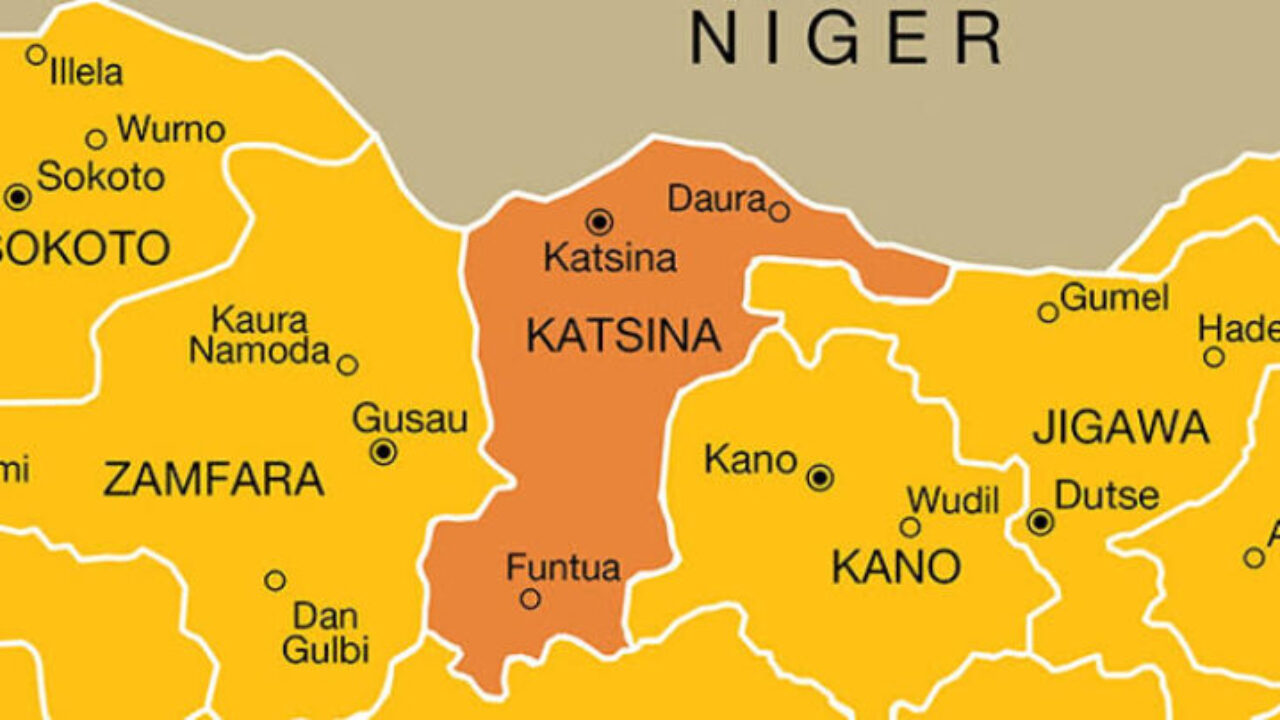
This expectation is particularly urgent in Katsina State, where insecurity continues to threaten communities, livelihoods and the sense of safety that families deserve. For residents affected by banditry and kidnapping, insecurity is not merely a political talking point; it is a daily reality that shapes where people can travel, whether farmers can cultivate their land and whether children can attend school without fear.
When farmers are forced to abandon their fields, the consequences extend beyond individual households to food production and market prices. When families are displaced or forced to spend their savings responding to threats and ransom demands, their financial stability can be shattered. Children who miss school because of insecurity may also lose valuable opportunities that could shape their future.
These realities demand more than promises or expressions of concern. They call for coordinated security operations, reliable intelligence, effective collaboration with affected communities and sustained measures to restore peace. Government at every level must continue to assess what is working, address gaps in its response and communicate honestly with citizens about progress and remaining challenges.
Some specific claims circulating in the commentary, including figures relating to school closures, affected local government areas and ransom payments, require independent verification. However, the wider concern about insecurity in Katsina and other parts of north-western Nigeria remains too serious to be reduced to partisan debate. Political leaders seeking public confidence must demonstrate how their decisions and interventions are making communities safer and allowing people to return to their normal lives.
The pressure on households from rising living costs is another issue that cannot be ignored. Across the country, families and businesses continue to grapple with the cost of food, transportation, fuel and other essential needs. For low-income households, even a modest increase in the price of basic commodities can mean making difficult choices about food, healthcare, education and other necessities.
Farmers also need practical support, including affordable fertiliser, improved seeds, accessible financing and secure farmland. Without these essentials, efforts to increase agricultural production may fall short of expectations, with consequences for both rural incomes and food affordability.
Governments may argue that economic reforms are necessary to achieve long-term stability, and such policies should be assessed on their merits and broader objectives. But ordinary Nigerians are equally entitled to ask when the benefits will become visible in their daily lives. They want to see improved purchasing power, more employment opportunities, stronger local businesses and a meaningful reduction in the hardship facing vulnerable households.
Responsible leadership requires more than explaining why difficult decisions have been taken. It also requires listening to those bearing the greatest burden and implementing practical measures to cushion hardship, expand opportunities and ensure that the benefits of economic progress reach ordinary people.
There is also a broader concern about whether political rivalries and the struggle for party influence are distracting attention from urgent national challenges. As the 2027 elections approach, disputes over nominations, succession and political positions are likely to intensify. Competition is a normal feature of democracy, but it becomes troubling when the pursuit of power overshadows the responsibilities of governance.
For the ruling party, the coming electoral cycle presents an opportunity to demonstrate how its policies are translating into tangible improvements in people’s lives. For opposition parties, it is an opportunity to offer credible alternatives, scrutinise government performance and present practical solutions to the country’s challenges. Both sides have a responsibility to engage citizens with evidence, realistic proposals and a clear understanding of the issues affecting their communities.
Ultimately, voters deserve more than campaign slogans, elaborate political gatherings and promises of a better tomorrow. They deserve the opportunity to compare records, question claims and assess the capacity of political actors to deliver meaningful change. The quality of public debate should therefore be measured not by the intensity of political rivalry but by the seriousness with which leaders address the needs of the people.
Traditional institutions have an important place in this conversation. Because traditional rulers maintain close links with their communities, they can help promote peace, encourage public enlightenment and create opportunities for dialogue between government and citizens. Their knowledge of local realities can also help bring attention to concerns involving security, education, agriculture and social welfare.
Such engagement is most valuable when it encourages constructive dialogue and practical action. At the same time, statements attributed to traditional rulers, particularly in politically sensitive circumstances, should be reported carefully and verified wherever possible. In the case of the alleged encounter involving the Emir of Katsina, the reported remarks should not be presented as confirmed without an official account or reliable corroboration. Nevertheless, the issues raised by the commentary deserve consideration on their own merits.
As Nigeria moves closer to the 2027 general elections, the real test of leadership will not be the number of political delegations visiting palaces or the crowds gathered at campaign events. It will be whether communities are becoming safer, children are receiving an education, farmers can work their fields, young people can find opportunities and families can meet their basic needs with greater confidence.
For Katsina, restoring peace to vulnerable communities and rebuilding the confidence of residents must remain urgent priorities. For the Federal Government and state authorities, public trust will depend not only on the promises they make but also on the consistency of their actions, the transparency of their communication and the results citizens can see for themselves.
The wider lesson is that public office is a trust, not a personal reward. Political leaders are entrusted with power to serve the people, protect their interests and improve their living conditions. Electoral support should therefore be earned through responsible governance, honest engagement and measurable progress—not merely sought through ceremonial visits or seasonal appeals.
As the 2027 elections draw nearer, Nigerians will once again have the opportunity to examine the records, policies and proposals of those seeking their mandate. The responsibility before political leaders is to ensure that the pursuit of power never becomes more important than the purpose for which it is sought: making life safer, fairer and better for the people they aspire to lead.
Abubakar is a public commentator wrote from Kano