
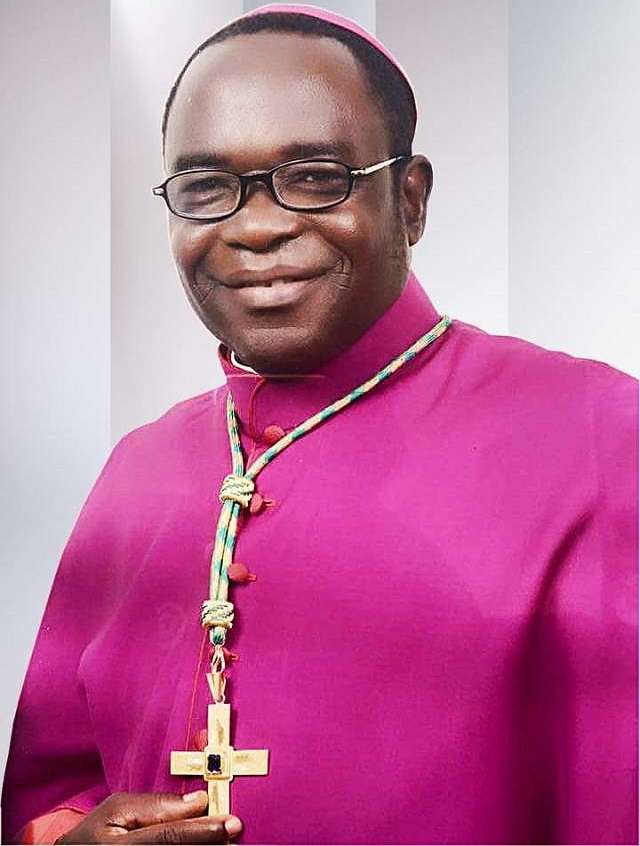
2027: Kukah, Dogara, Musa Emerge As Potential Tinubu Running Mates Amid Push For Religious Balance
Fresh political calculations are reportedly underway ahead of the 2027 general election, as pressure mounts on President Bola Tinubu to adopt a religiously balanced presidential ticket in his re-election bid.
Competent sources disclosed that political interests linked to the United States have expressed a strong preference for a Muslim-Christian ticket at Nigeria’s federal level, a move seen as critical to stability and inclusion.
Against this backdrop, names being considered as possible vice presidential candidates on the All Progressives Congress (APC) platform have begun to surface. Leading the list is the Catholic Bishop of Sokoto Diocese, Bishop Matthew Hassan Kukah. Also mentioned are former Speaker of the House of Representatives, Rt. Hon. Yakubu Dogara, and the Minister of Defence, Lt. Gen. Christopher Musa.
While Bishop Kukah and Gen. Musa hail from Kaduna State, Dogara is from Bauchi State.
Sources revealed that discussions around replacing Vice President Kashim Shettima have been ongoing since the administration’s mid-term, although most APC governors are reportedly in favour of retaining him for 2027. However, some influential figures around President Tinubu are said to be pushing for a change.
Before the reported external pressure for a Muslim-Christian ticket, considerations allegedly included replacing Shettima with another Muslim, such as former Zamfara State Governor, Abdulaziz Yari, or the National Security Adviser, Mallam Nuhu Ribadu.
The renewed emphasis on religious balancing is said to have complicated those plans, forcing the Tinubu camp to reconsider its options.
Insiders disclosed that discussions are ongoing on possible incentives for Shettima should he be dropped. Options reportedly include appointing him Nigeria’s Permanent Representative to the United Nations or backing him for the presidency in 2031.
Also Read: 2027 Elections: North East Youths Rally Behind Shettima, Warn APC
However, that latter option may face resistance, as US-linked interests are said to favour a power shift to the South-East after Tinubu’s tenure, citing national healing and inclusiveness.
Meanwhile, questions remain over the feasibility of Bishop Kukah’s candidacy, with observers unsure whether the cleric would accept a political role or secure approval from the Vatican.
Political analysts have it that US interest in Nigeria’s electoral process is not unexpected, particularly following Washington’s recent designation of Nigeria as a “Country of Particular Concern” over alleged persecution of Christians.
Former US President Donald Trump had publicly condemned the killings of Christians in Nigeria and threatened action against Islamic insurgent groups, a stance that reportedly culminated in airstrikes on ISWAP camps in Sokoto on Christmas Day.