
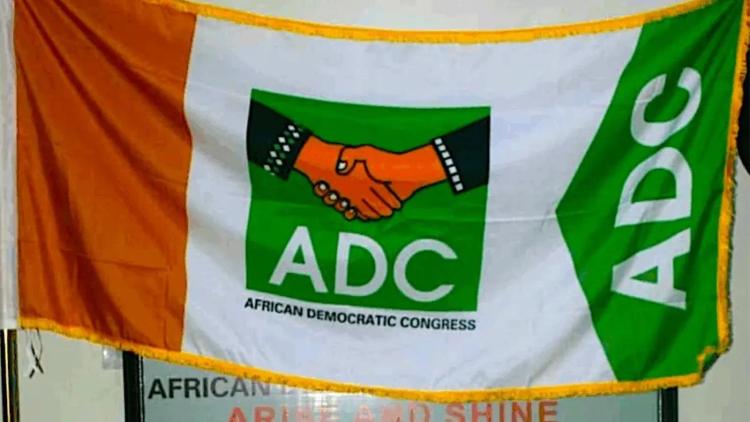
ADC Raises Alarm Over ‘N800bn FAAC War Chest’ As FG Eyes Fresh Loans, Defends Tax Reforms
Nigeria’s fiscal crisis took a dramatic political turn on Wednesday as the opposition African Democratic Congress (ADC) accused President Bola Ahmed Tinubu and APC-controlled state governments of allegedly diverting over N800 billion from Federation Account Allocation Committee (FAAC) funds to finance preparations for the 2027 elections.
The explosive allegation surfaced amid reports that the Federal Government is again engaging the World Bank over a fresh $1.25 billion loan facility, further fuelling public anxiety over debt, economic hardship and the transparency of government finances.
In a strongly-worded statement, ADC National Publicity Secretary, Bolaji Abdullahi, described the alleged diversion of public funds as “shameless, cruel and criminal,” accusing the ruling APC of secretly building a political “war chest” while Nigerians battle inflation, poverty and collapsing public services.
“The report alleging that over N800 billion was raised through deductions from FAAC allocations for political purposes confirms what Nigerians have long suspected,” the opposition party declared. “While citizens are being asked to endure the pain of economic reforms, public resources are allegedly being channelled into 2027 politics.”
The ADC argued that despite the massive increase in state revenues following fuel subsidy removal and naira devaluation policies, ordinary Nigerians have seen little improvement in living conditions.
According to the party, roads remain in disrepair, hospitals are under-equipped, schools continue to suffer neglect and workers remain poorly paid despite record allocations to states.
The party warned that if the allegations published by The Will are proven true, they would amount to large-scale political corruption and outright theft of resources meant for development, salaries, healthcare, education and security. It consequently demanded an independent probe into the alleged deductions and accounts reportedly linked to the operation.
Read Also:Defection Drama Rocks Reps As 17 Lawmakers Dump ADC For NDC
But as political tensions escalated, the Federal Government defended its economic direction and renewed push for sweeping tax reforms. Speaking at the 28th Annual Tax Conference of the Chartered Institute of Taxation of Nigeria (CITN) in Abuja, Minister of Finance and Coordinating Minister of the Economy, Taiwo Oyedele, warned that Nigeria could no longer survive by borrowing to fund development.
“Nigeria cannot continue to finance development primarily through borrowing,” Oyedele said, stressing the need for a sustainable fiscal system capable of funding infrastructure, healthcare, education, security and social welfare without excessive debt accumulation.
The minister admitted that Nigeria’s tax system has long been plagued by multiple taxation, weak compliance, fragmented administration and overdependence on a narrow revenue base. He said ongoing reforms are aimed at reducing pressure on low-income earners while encouraging investment and improving tax fairness.
Oyedele disclosed that minimum wage earners have now been exempted from personal income tax, while lower tax burdens are also being proposed for low- and middle-income citizens. He added that the government plans to cut company income tax rates, modernise the VAT system and harmonise taxes across states to eliminate multiple levies hurting businesses.
Also weighing in at the conference, Vice President Kashim Shettima said the Tinubu administration was working toward building an innovation-driven economy less dependent on oil revenues. Represented by presidential adviser Tope Fasua, Shettima insisted the reforms were “pro-poor and pro-business,” noting that individuals earning N1 million or less annually and small businesses with turnover below N100 million would enjoy tax exemptions.
Former Edo State governor and senator, Adams Aliyu Oshiomhole, also called for a more progressive tax regime, arguing that wealthy Nigerians and luxury asset owners should contribute more to national revenue than average workers.
Meanwhile, stakeholders at the conference warned that without transparency, accountability and public trust, the government’s ambitious fiscal reforms could struggle to gain acceptance among citizens already burdened by rising living costs and worsening economic pressure.
The controversy comes at a politically sensitive moment as Nigerians grapple with inflation, high fuel prices, naira instability and growing concerns over how public funds are being managed ahead of the 2027 general elections.