
INEC To Hold Mock Presidential Poll As Abbas Backs Hybrid Result System
• Amupitan says 2023 BVAS glitch fixed
• Civil society faults Electoral Act 2026
• ADC protests deadline, rolls out free digital registration
• CSOs seek amendments to Electoral Act 2026
• Commission promises glitch-free process
• ADC begins free online membership drive
The Independent National Electoral Commission (INEC) has announced plans to conduct a nationwide mock presidential election to evaluate the effectiveness of its electronic results transmission system ahead of the 2027 general elections.
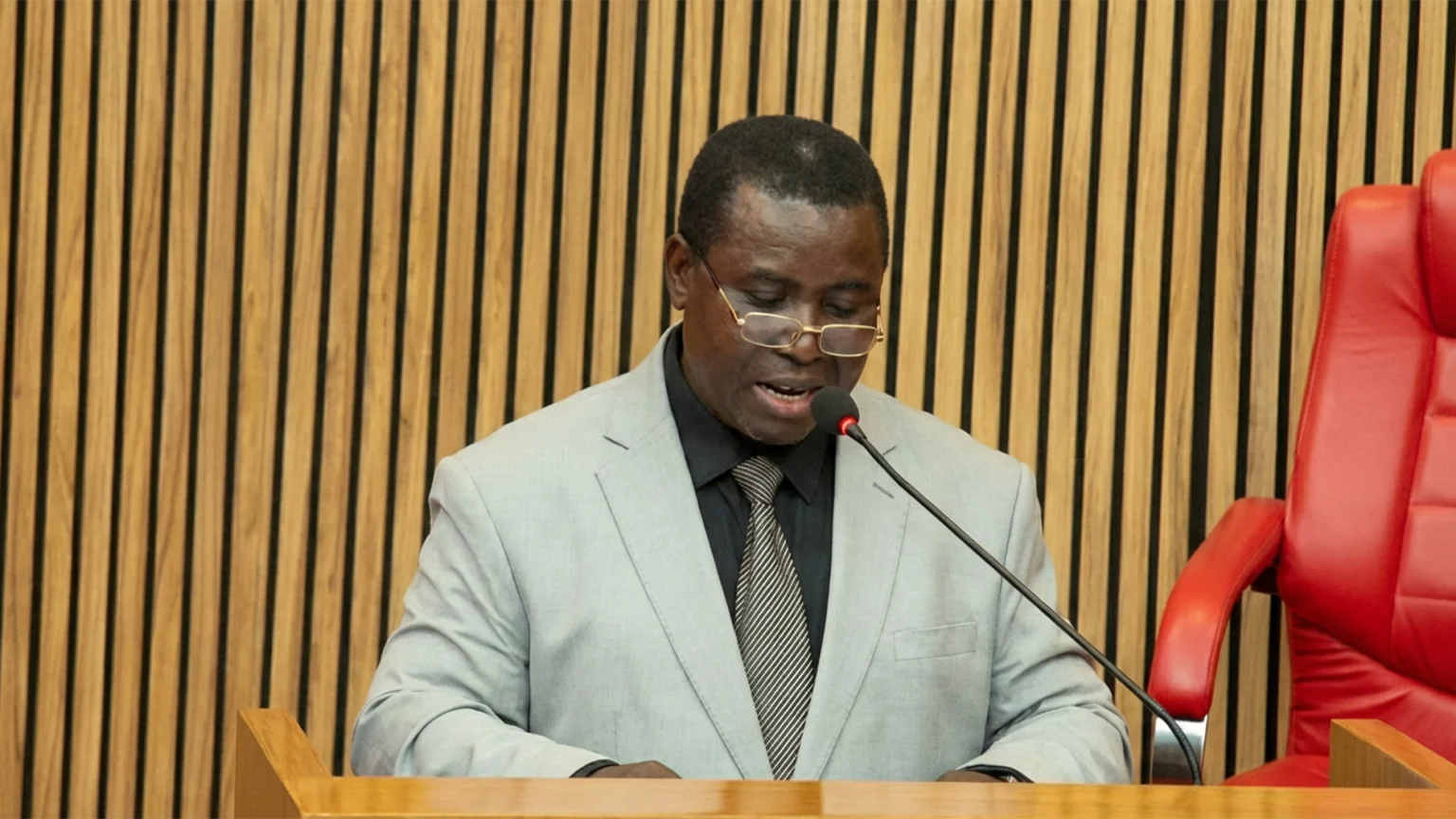
INEC Chairman, Prof. Joash Amupitan, made the disclosure in Abuja at the Citizens’ Townhall Meeting on the Electoral Act 2026, organised by the Civil Society Network on Election Integrity.
According to The Guardian, the Chairman explained that the Bimodal Voter Accreditation System (BVAS) encountered challenges during the 2023 presidential election largely because it was not subjected to a full-scale national test prior to deployment.
According to Amupitan, the proposed mock exercise will replicate real election-day conditions across selected polling units nationwide, enabling the commission to assess the resilience, speed and transparency of its electronic transmission infrastructure and address any technical shortcomings before 2027.
He said the experience of 2023 highlighted the necessity of thoroughly stress-testing electoral technologies, stressing that public trust in elections depends heavily on the credibility and efficiency of the systems deployed.
The INEC chairman assured stakeholders of the commission’s commitment to transparency, continuous improvement and collaboration with civil society groups to guarantee a more seamless electoral process.
“We are going to conduct a mock presidential election to ensure that transmission across the states does not fail,” he stated.
Amupitan described the strengthened provisions for electronic transmission in the Electoral Act 2026 as one of the most significant reforms in the new legislation, noting that INEC advocated making electronic transmission mandatory during consultations with lawmakers.
Read Also:INEC Records Over 3.5 Million Online Pre-Registrations In Three Weeks
However, he cautioned against assuming that electronic transmission automatically translates to instantaneous confirmation, citing logistical and network limitations experienced even within the Federal Capital Territory.
He recalled that during the recent FCT Area Council elections, results from Kabir Ward in Kuje Area Council were delayed due to terrain and poor network connectivity, despite the ward’s proximity to Abuja.
To illustrate the distinction, he likened electronic transmission to mobile banking transfers, noting that while funds may leave an account instantly, confirmation alerts may arrive later.
Meanwhile, a former INEC Director of Voter Education, Oluwole Osaze-Uzzi, criticised aspects of the Electoral Act 2026, arguing that certain provisions appear to weaken safeguards intended to enhance transparency and accountability in the electoral process.
Similarly, the Executive Director of Yiaga Africa, Samson Itodo, called for amendments to sections of the law he said create loopholes capable of manipulation, while former ActionAid Nigeria Country Director, Ene Obi, warned that rising campaign costs risk excluding grassroots candidates from political participation.
On the legislative front, Speaker of the House of Representatives, Tajudeen Abbas, defended the National Assembly’s decision to adopt a hybrid system combining electronic and manual transmission of results.
He argued that exclusive reliance on real-time electronic transmission could disenfranchise up to 40 per cent of voters due to limited internet coverage and unstable electricity supply.
Abbas spoke during a courtesy visit by Spain’s Ambassador to Nigeria, Felix Costales, at the National Assembly complex in Abuja. He maintained that the hybrid model was a practical response to Nigeria’s infrastructural realities and would help prevent voter suppression ahead of 2027.
Citing data from the Nigerian Communications Commission, he noted that significant portions of the country remain underserved by reliable internet access. He added that low voter turnout—estimated at between 12 and 15 per cent of registered voters—remains a major concern.
According to him, a single transmission method cannot yet be uniformly applied nationwide, stressing that democracy evolves gradually and Nigeria would continue refining its electoral processes.
In a related development, the African Democratic Congress (ADC) has launched free online membership registration nationwide.
The party said the digital platform was introduced to comply with provisions of the Electoral Act 2026 requiring submission of updated digital membership registers.
Previously, the ADC criticised INEC’s April 2 deadline for submission of party membership registers, arguing that the timeline could restrict opposition participation.
Announcing the new initiative, the party’s National Publicity Secretary, Bolaji Abdullahi, said the online registration aims to simplify enrolment, remove barriers to entry and ensure compliance with electoral guidelines, adding that previously registered members must revalidate their details on the new portal.