
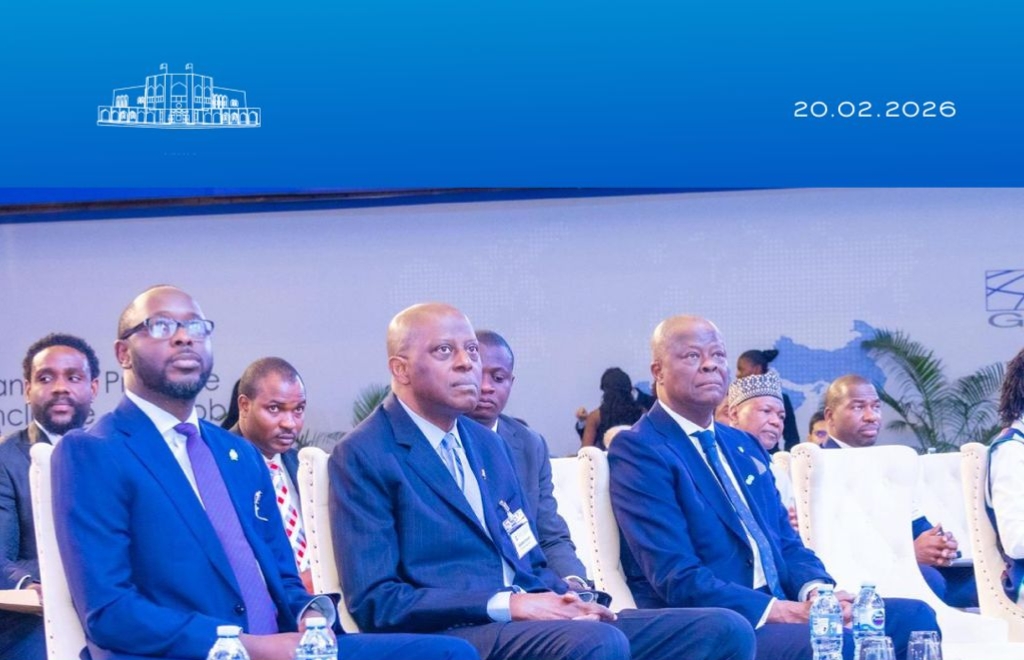
Nigeria Pushes Reform Agenda At G-24 Meetings Amid Global Economic Uncertainty
Nigeria has reaffirmed its commitment to economic stabilization and far-reaching structural reforms as the Minister of Finance and Coordinating Minister of the Economy, Wale Edun, addressed delegates at the G-24 Technical Working Group meetings against the backdrop of mounting global economic uncertainty.
Speaking at the high-level gathering of the Intergovernmental Group of Twenty-Four on International Monetary Affairs and Development, Edun underscored the growing impact of geopolitical tensions, tightening financial conditions, and trade fragmentation on emerging markets and developing economies.
Read Also:Bola Tinubu Signs Executive Order 9 To Protect Oil, Gas Revenues And Strengthen Regulatory Clarity
He noted that these global shocks continue to strain fiscal space, disrupt supply chains, and heighten vulnerabilities across Africa and other developing regions.
The minister explained that Nigeria’s reform drive is focused on restoring macroeconomic stability, rebuilding investor confidence, and laying the groundwork for sustained and inclusive growth. According to him, the government remains resolute in implementing policy measures designed to strengthen the country’s economic fundamentals despite prevailing global headwinds.
Among the key priorities outlined were efforts to expand Public-Private Partnerships (PPPs) as a vehicle for infrastructure financing, deepen domestic resource mobilization, and increase tax revenue as a percentage of GDP.
Edun emphasized that improving revenue performance is critical to strengthening public finances and reducing reliance on debt.
He further highlighted ongoing initiatives aimed at unlocking private capital, improving the investment climate, and enhancing transparency in fiscal management. These measures, he said, are designed to attract both domestic and foreign investments while supporting job creation and economic diversification.
Edun also stressed the importance of international cooperation in navigating the current economic climate, calling for stronger multilateral support for reform-oriented economies. He urged global financial institutions to provide flexible financing frameworks that reflect the unique challenges facing emerging markets.
Reiterating Nigeria’s commitment to disciplined fiscal management and inclusive development, the minister assured participants that the country would remain steadfast in implementing structural reforms. He maintained that, with coordinated action and sustained policy consistency, Nigeria is positioning itself to achieve long-term resilience and shared prosperity despite ongoing global economic turbulence.