
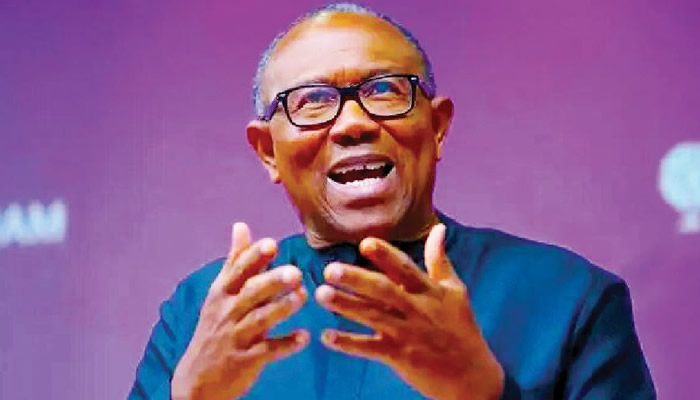
Obi Calls For Infrastructure Renewal, Backs Tinubu’s Position On Flyovers
The presidential candidate of the Nigeria Democratic Congress (NDC), Peter Obi, has expressed support for President Bola Tinubu’s recent position discouraging the construction of unnecessary flyovers, urging governments across the country to channel limited resources into rehabilitating existing roads and completing abandoned infrastructure projects.
In a statement issued on Saturday, Obi said Nigeria’s current economic realities require governments to prioritise projects that directly improve the lives of citizens. He maintained that repairing deteriorating infrastructure and completing ongoing projects should take precedence over embarking on expensive new developments with limited immediate benefits.
The former Anambra State governor noted that President Tinubu’s remarks align with a principle he has consistently advocated, stressing that governance should be driven by the needs of the people rather than by the desire to execute high-profile projects.
According to him, prudent management of public funds demands investment in projects that deliver the greatest value to the largest number of Nigerians.
Obi, however, urged the Federal Government to reflect the same philosophy in its infrastructure agenda by avoiding what he described as white-elephant projects while many strategic highways linking commercial centres and food-producing communities remain in deplorable condition. He warned that the continued neglect of such roads poses serious economic and safety challenges.
Drawing from his experience as governor of Anambra State, Obi said his administration gave priority to completing viable projects inherited from previous governments before initiating new ones.
He argued that governance is a continuous process and that succeeding administrations have a responsibility to build on existing investments rather than abandon them.
He concluded that effective leadership is measured by the ability to make responsible choices, including repairing critical infrastructure, completing unfinished projects, and ensuring that scarce public resources are deployed where they will have the greatest impact on the welfare of citizens.