
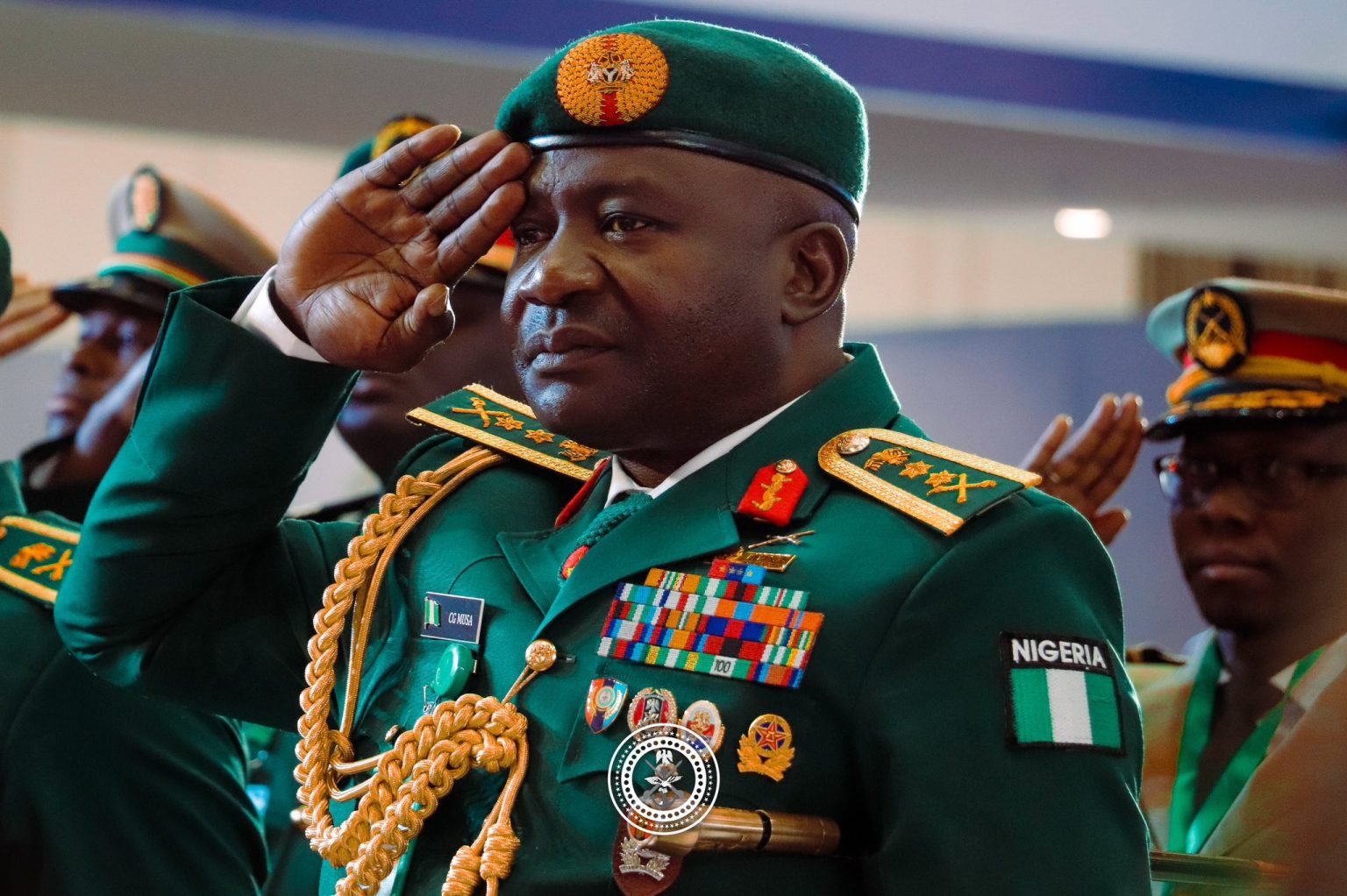
Mandatory Military Service Requires Caution, Broad Consultation — Defence Minister
The Minister of Defence, Christopher Musa, has called for a measured and balanced approach to the proposal of mandatory military service for Nigerian youths, insisting that any such policy must align with constitutional provisions, institutional capacity, and the country’s socio-economic realities.
Speaking in Abuja at the presentation of the book “Serving the Nation: Exploring Mandatory Military Service for Nigerian Youths,” Musa said the conversation is timely, given Nigeria’s growing youth population and persistent security challenges. He stressed the need for an inclusive national dialogue on civic responsibility, youth engagement, and national security.
Represented by Colonel Egbe George Usibe, Deputy Director of Special Duties in the minister’s office, the Defence Minister noted that national service models differ across countries. While some nations enforce compulsory military service, others operate professional volunteer forces supported by reserve systems and civic engagement programmes.
Read Also:Nigeria’s Defence Minister Steps Down Amid Heightened Security Concerns
He cited countries such as Israel, South Korea, Finland, and Singapore as examples where mandatory service has been successfully implemented to instill discipline, patriotism, and national preparedness among young citizens.
Musa, however, cautioned that Nigeria’s security concerns cannot be solved by increasing manpower alone. He emphasized that effective governance, strong institutions, economic empowerment, and active citizen participation are equally critical to achieving sustainable peace and stability.
He reiterated that Nigeria currently operates a professional volunteer military and is supported by the National Youth Service Corps, which promotes national integration and youth engagement across the federation. Any move toward mandatory service, he said, must carefully assess the nation’s readiness to implement and sustain such a framework.
Author of the book, Dr. Mohammed Sani Abubakar, described the publication as the outcome of his doctoral research in Military Studies at the University of Abuja. He revealed that survey findings from his study showed 73.1 percent support for mandatory service among Nigerians and 79.7 percent belief that it could help tackle insecurity.
Also speaking, National Coordinator of BRAVEIT, Dr. AK Peters, distinguished mandatory military service from the NYSC scheme, explaining that while the latter focuses on unity and cultural exchange, compulsory service emphasizes regimentation, discipline, and defense preparedness. He maintained that structured engagement of youths, if properly designed, could strengthen national cohesion and emergency readiness.