
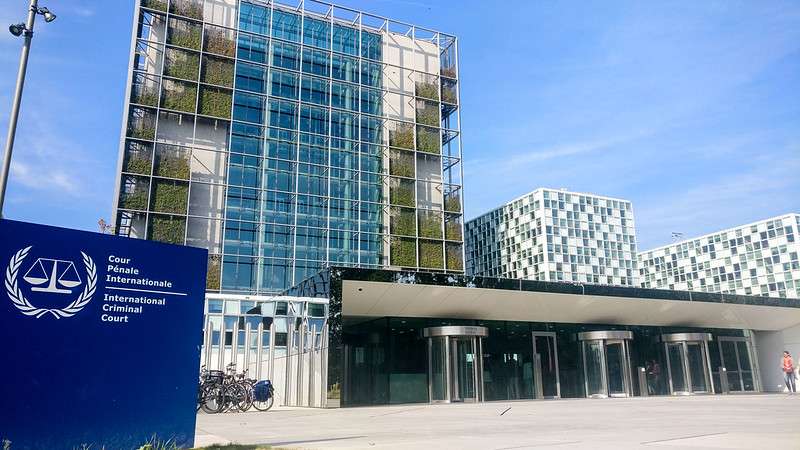
Chad Joins Four Nations In Quitting ICC Amid US Pressure
Chad has announced its decision to withdraw from the International Criminal Court (ICC), becoming the fifth country in recent months to initiate the process of leaving the international tribunal.
The Chadian government said on Monday that it had formally notified the United Nations Secretariat of its “sovereign decision to withdraw from the Rome Statute and the International Criminal Court.”
According to a statement by a government spokesperson, the decision followed an extensive assessment of the court’s operations since it began functioning in 2002.
The government questioned the effectiveness of the ICC, describing its record as limited and uneven. It also accused the court of disproportionately targeting countries in the Global South, particularly African states.
Chad said nine of the 13 investigations launched by the ICC since its establishment had focused on African countries, while the remaining four involved other regions but had produced no concrete progress.
“The court has only seven people in custody, six of whom are being prosecuted in African situations,” the government added.
Chad’s withdrawal comes amid allegations from national and international organisations over its suspected involvement in the conflict in neighbouring Sudan, although the government did not link its ICC decision directly to those allegations.
Fifth Country to Begin Withdrawal
Chad’s announcement followed Venezuela’s decision on Friday to initiate its own withdrawal from the ICC.
The court has investigated allegations of crimes against humanity involving Venezuela’s previous government. Caracas, like Chad, has accused the ICC of disproportionately focusing on non-Western countries.
Earlier in July, Burkina Faso, Mali and Niger—all governed by military administrations in the Sahel—also formally began procedures to withdraw from the court. Their departures are expected to take effect after one year.
The latest withdrawals represent a significant challenge for an institution created to prosecute individuals accused of some of the world’s gravest crimes, including genocide, crimes against humanity and war crimes.
ICC Faces Leadership Crisis
Chad’s announcement also comes at a turbulent period for the court.
Days earlier, 82 of the ICC’s 125 member states voted to remove prosecutor Karim Khan following allegations of serious misconduct. The decision has triggered a process to select his successor, although a new prosecutor is not expected to be elected until next year.
In the meantime, the prosecutor’s office will be led by deputy prosecutors Nazhat Shameen Khan of Fiji and Mame Mandiaye Niang of Senegal.
Despite the leadership upheaval and withdrawals by several member states, the ICC has insisted that it will continue its work.
“The ICC remains firmly committed to advancing accountability and delivering justice for victims of crimes that deeply shock the conscience of humanity,” the court said.
US Pressure Adds to ICC’s Challenges
Chad’s decision has also been linked to diplomatic pressure from the United States.
A statement published on the website of Chad’s foreign minister said the US Deputy Secretary of State for African Affairs had urged the Chadian government to reconsider its membership of the ICC during a telephone conversation last Thursday.
“The American side expressed its concerns about the functioning of this institution and called on Chad to review its accession to the Rome Statute,” the statement said.
The United States has intensified its campaign against the ICC this year, raising concerns among supporters of the court about the potential impact on its operations and leadership.
International law professor Melanie O’Brien told Reuters that the pressure could make it more difficult to attract candidates for the ICC prosecutor’s position.
“Who is now going to want to nominate for a position that has such challenges, because they know they will automatically be sanctioned by the US,” she said.
The United States is not a member of the ICC.
Meanwhile, the European Union and major financial contributors to the court, including the Netherlands and Japan, have expressed support for the institution and concern over Washington’s position.
However, they have yet to announce concrete measures to strengthen the court amid the growing pressure and the departure of several member states.