
By Abdulkarim Ibrahim
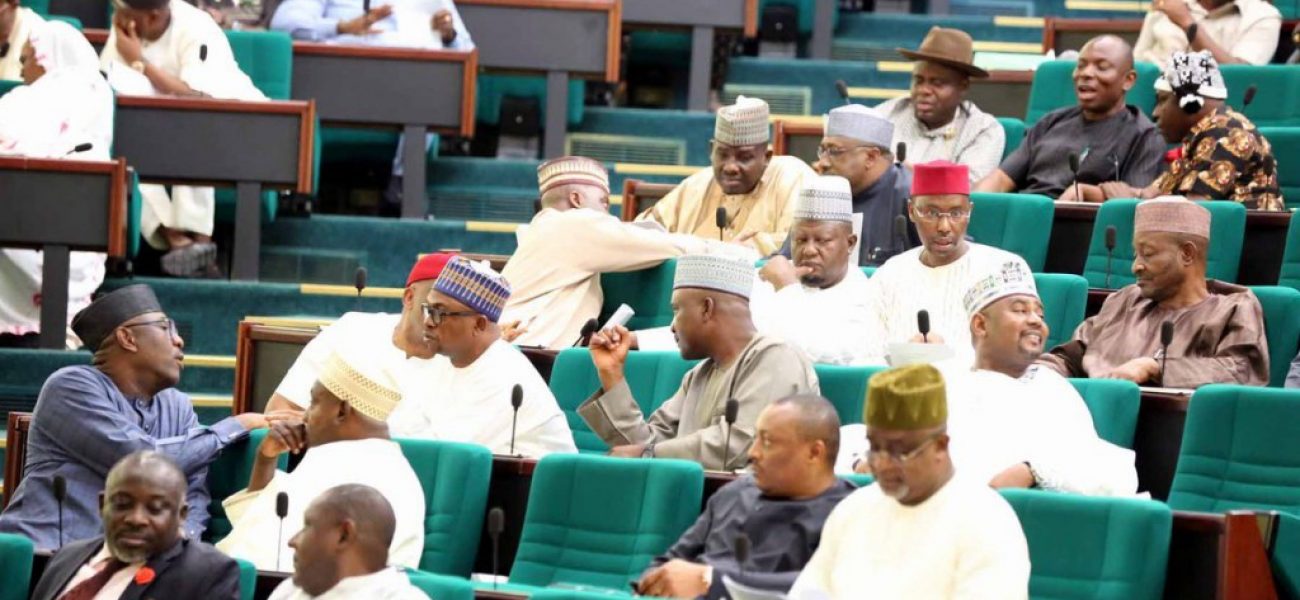
The Speaker of the House of Representatives, Rt. Hon. Abbas Tajudeen, has reiterated that the House fully supports President Bola Ahmed Tinubu’s borrowing plans, stressing that the measures are essential for national development.
According to him, borrowing, when properly managed, remains a key tool for financing critical infrastructure projects and unlocking the country’s economic potential.
He maintained that without such strategic funding, efforts at rapid growth and transformation would be severely hampered.
See Also: Reps Consider New Agency For Abandoned, Over-budgeted Projects
Speaking at the 8th Annual African Network of Parliamentary Budget Offices (AN-PBO) Conference in Abuja, Abbas clarified that the House’s stance on borrowing had been misinterpreted in recent debates.
He assured that the legislature is committed to ensuring that all borrowing aligns with Nigeria’s long-term growth objectives.
The conference, jointly hosted by the Nigerian National Assembly and the National Assembly Budget and Research Office (NABRO), was themed “The Role of PBOs in African Parliaments’ Fiscal Oversights: Contribution to the African 2063 Development Agenda.”
The gathering brought together policymakers, experts, and legislators from across the continent to deliberate on fiscal accountability.
Abbas referred to earlier reports quoting his remarks at the 11th Annual Conference and General Assembly of the West Africa Association of Public Accounts Committees (WAAPAC). Those remarks, he explained, were wrongly presented as an outright rejection of borrowing, rather than a call for prudent and responsible management of public debt.
See Also: House Of Reps Holds Tribute Session For Late President Buhari
Represented at the event by the House Leader, Prof. Julius Ihonvbere, the Speaker recalled that he had cautioned against Nigeria’s rising debt profile, noting that the debt-to-GDP ratio had reached 52 percent, surpassing the 40 percent statutory threshold. He urged parliaments in West Africa to intensify oversight of public borrowing in order to safeguard the future of their citizens and ensure fiscal sustainability.
Speaking on Monday, Speaker Abbas Tajudeen clarified that the House of Representatives has consistently backed responsible and targeted borrowing as a means of addressing Nigeria’s pressing developmental needs.
He emphasized that strategic borrowing remains a vital fiscal instrument, explaining that the country must, at times, leverage credit to fund critical infrastructure, drive economic growth, and provide a safety net for vulnerable citizens.
Abbas assured that all borrowings undertaken under President Bola Ahmed Tinubu’s administration are anchored on transparency, sustainability, and strict adherence to Nigeria’s medium-term debt strategy as well as international best practices.
He also addressed recent reports, noting that a speech delivered by the House Leader at the West Africa Parliamentary Conference had been “horrendously and mischievously” misrepresented, giving the false impression that the House opposed the administration’s borrowing strategy. He dismissed the claim as both inaccurate and misleading.
See Also: Special Seats Bill, Others to Get Reps’ Attention After Recess – Kalu
“The House and indeed the National Assembly have consistently affirmed that in the face of present developmental needs, strategic and responsible borrowing is an essential fiscal tool. Like every modern economy, Nigeria most sometimes liberates credit to finance critical infrastructure. Stimulate growth and protect vulnerable populations.
“What is important and what the President has assured is that all borrowings remain targeted, transparent and sustainable, consistent with Nigeria’s medium-term debt strategy and guided by global best practices.
“Under our President’s leadership, borrowed forms are being channeled towards transformative projects that will expand revenue-generating capacity, such as power, transport, and agriculture, rather than for consumption.
“The House stands firmly behind the President’s vision of using judicial borrowing as a catalyst for growth and poverty reduction, while simultaneously strengthening oversight mechanisms.
Speaker Abbas Tajudeen disclosed that Nigeria loses an estimated $18 billion annually to financial crimes, amounting to about 3.8 percent of the nation’s GDP. He stressed that this alarming figure underscores the urgent need for stronger parliamentary fiscal oversight to protect public resources and ensure accountability.
He further warned that Africa as a whole suffers losses of over $587 billion each year through corruption, illicit financial flows, and inefficiencies. Describing the continent as standing at a critical crossroads, Abbas noted that with a population of 1.4 billion—one-sixth of humanity—Africa is youthful and full of potential. He emphasized that Nigeria, as the continent’s most populous nation with over 200 million citizens and a GDP of about $477 billion in 2022, bears a unique responsibility in shaping Africa’s development trajectory.
“We are a continent of abundant resources and talented youth, and we have bold ambitions captured in the African Union Agenda 2063, which serves as the blueprint for the Africa we want.
“However, the path to realizing this vision remains difficult. Economic growth in sub-Saharan Africa is recovering, although modestly, with the World Bank projecting an increase from 3.3 per cent in 2024 to 3.5 per cent in 2025.
“This is indeed encouraging, but it is not yet sufficient to meet our development needs. Poverty remains widespread. An estimated 464 million Africans live in extreme poverty as of 2024. Unemployment and underemployment, especially among young people, are urgent issues.
“Each year, 12 million young Africans enter the labor market, yet only around 3 million formal jobs are created. This gap in opportunities highlights a potential demographic dividend that could turn into a demographic risk if we do not take action.”
He observed that if properly managed, the billions lost to financial crimes and inefficiencies could be redirected to significantly improve social infrastructure, including the provision of better schools and educational opportunities across the continent.
In his remarks, the Chairperson of the African Network of Parliamentary Budget Offices (AN-PBO), Professor Dumisani Jantjies, cautioned that African economies remain highly vulnerable to external shocks such as volatile capital flows, global trade disruptions, and the adverse effects of climate change. He stressed that Parliamentary Budget Offices (PBOs) are emerging as vital mechanisms for promoting fiscal transparency, strengthening policy accountability, and ensuring alignment with Africa’s long-term development goals.
Professor Jantjies also commended Nigeria’s recent macroeconomic reforms, noting that the country recorded a growth rate of 3.4 percent in 2024—the highest in a decade. However, he warned that despite these gains, inflation and widespread poverty continue to pose serious challenges that must be addressed through sustained reforms and prudent fiscal management.
“Our mandate is to provide legislatures with credible, non-partisan, evidence-based analysis to enable informed fiscal decisions,” he said.